


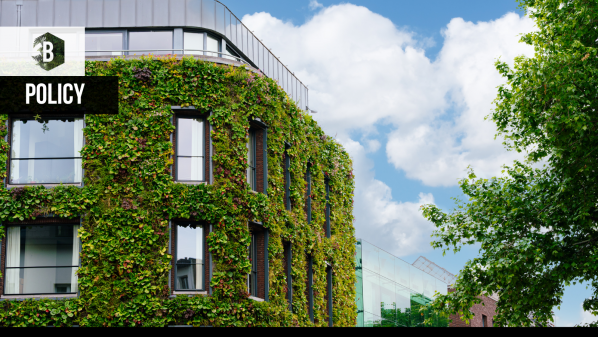
“Green infrastructure and climate change have more weight than ever in planning policy, calling for good design from the outset. Landscape architecture, therefore, is likely to become more strategically important.”
With greater emphasis on nature recovery, climate resilience and multifunctional green infrastructure, the NPPF increasingly looks to design as a means of delivering wider environmental outcomes.
As these priorities become more deeply embedded within planning policy, landscape architecture is likely to play an increasingly strategic role in shaping successful development proposals. Here's why.
Policy D3: Multifunctional Green Infrastructure
One of the clearest shifts in the 2026 NPPF is the importance placed on multifunctional green infrastructure as a key component of a well-designed place.
As highlighted in Fran’s initial takeaway quote, green infrastructure and climate resilience carry more weight than ever in planning policy. The framework expects development to incorporate, or connect to, green infrastructure networks that support recreation, healthy living, habitat enhancement, climate resilience, and improved air and water quality. It also reinforces the importance of features such as tree cover and Sustainable Drainage Systems (SuDS).
As a result, landscape architecture is increasingly being called upon to bring together open space, planting, habitat creation, SuDS and climate resilience within a single, coordinated design strategy. Green infrastructure is no longer simply an amenity feature or supporting document. Increasingly, it forms part of the framework through which wider planning objectives can be delivered.
Nature Recovery from the Start
Earlier this week, our Managing Director, Vicki Mordue, highlighted in her initial takeaway, the 2026 NPPF places greater emphasis on nature recovery as a planning outcome, rather than simply avoiding environmental harm.
The framework encourages development to contribute to wider ecological outcomes through habitat restoration, ecological connectivity and environmental enhancement. References to Local Nature Recovery Strategies (LNRS), habitat networks and green infrastructure reinforce the need to consider how sites contribute to the wider landscape, not just individual development boundaries.
Developers may need to demonstrate how proposed projects connect with surrounding ecological networks and support habitat connectivity beyond the red line boundary.
Existing environmental features such as priority habitats, watercourses and ecological buffers are also likely to exert greater influence over masterplanning decisions, reinforcing the value of landscape input early in the design process, before layouts and development parcels become fixed.
Biodiversity Net Gain: Beyond the Metric
The NPPF also strengthens the integration of biodiversity within design itself, including consideration of priority and threatened species and measures such as integrated swift bricks where appropriate. At the same time, it reduces the scope for local authorities to require Biodiversity Net Gain above the statutory requirement.
While achieving BNG remains essential, there is growing recognition that successful nature recovery is about more than achieving a percentage score.
To ensure the habitats that are created are connected and deliverable over the long-term, greater emphasis is placed on:
- Spatial design
- Habitat connectivity
- Management access
- Phasing and stewardship
Landscape architects are well placed to bring these considerations together, integrating green infrastructure, biodiversity and public open space into a cohesive design strategy that supports both placemaking and meaningful environmental enhancement.
Climate Resilience: A Growing Design Challenge
The 2026 NPPF places greater emphasis on climate resilience and nature-based solutions, reflecting the growing role of design in addressing environmental challenges.
Notably, maintaining and enhancing tree cover is now a key consideration within planning policy, alongside wider references to climate adaptation and resilient design. With temperatures continuing to rise and extreme weather events becoming more frequent, considerations such as urban cooling, drought tolerance, flood attenuation and multifunctional open space are becoming increasingly important.
Landscape architects can help address these challenges through:
- Tree and canopy strategies
- Urban cooling and shade design
- Green and blue infrastructure
- Sustainable Drainage Systems (SuDS)
- Water and flood management
- Climate-resilient planting design
- Microclimate assessments
- Long-term landscape management planning
These measures not only help developments respond to a changing climate but can also contribute to biodiversity, wellbeing and the creation of attractive, functional places.
A More Strategic Role for Landscape Architecture
With greater emphasis on multifunctional green infrastructure, nature recovery and climate resilience, these considerations will become embedded within the design process, making landscape architecture more strategically important in successful planning.
A move towards evidence-led design means that landscape strategies are likely to require through ecological evidence, green infrastructure assessments, management plans and alignment with wider environmental objectives.
Early collaboration between landscape architects, ecologists and the wider design team will ensure that longevity is built into both place making and nature recovery.