


With Biodiversity Net Gain (BNG) now mandatory for most developments in England, landscape plans must do more than make a site look attractive. They need to deliver measurable ecological value, work within the wider development layout and remain practical to manage for at least 30 years.
When ecology and landscape architecture are considered too late or in isolation, habitats can be pushed into unsuitable leftover spaces, creating a risk of redesigns, additional costs and weaker outcomes.
So, here are five practical ways developers can integrate BNG into landscape plans to create places that work for planning, people and nature.
1. Bring Landscape Architecture and Ecology Together Early
The earlier landscape architects and ecologists become involved in a project, the more opportunities there are to create coordinated and deliverable schemes.
When biodiversity is considered after layouts have been fixed, habitats can end up squeezed into leftover spaces or competing with drainage, access, public open space and other essential infrastructure.
Bringing the two disciplines together from the outset enables these requirements to be considered as part of one landscape strategy. It can also help identify potential constraints before they lead to costly redesigns or delays in the planning process.
That doesn't mean every project starts that way, and that's okay. Wherever your project is in the process, joined-up guidance can help identify practical opportunities to improve biodiversity outcomes without losing sight of commercial and design priorities.
2. Think Beyond Ornamental Planting
Shrubs have a place within successful developments. They're ideal for entrances, streetscapes, screening and creating attractive public spaces.
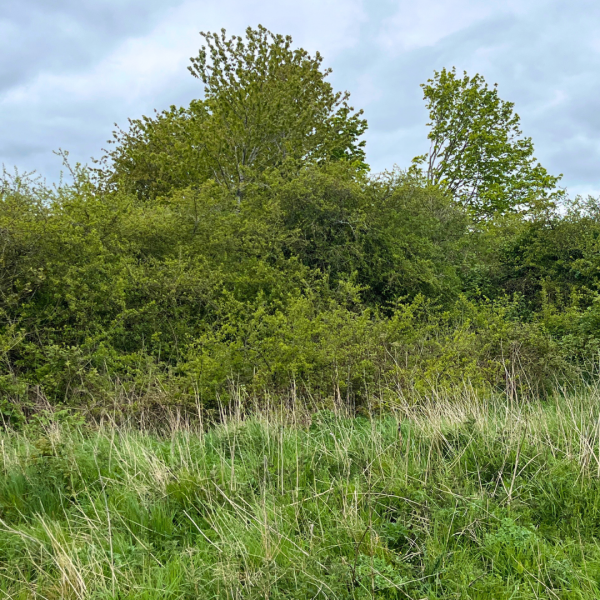
Scrub, however, is a habitat made up of naturally developing woody vegetation. It can provide food and shelter for a wider range of species and may deliver greater ecological value than ornamental planting alone.
A successful strategy might combine shrub planting in prominent public areas with native scrub, species-rich grassland, wetlands or woodland-edge habitats in locations where they can establish successfully and deliver measurable biodiversity benefits.
This is where landscape architects and ecologists can work together to balance visual quality, biodiversity units, available space and practical management requirements.
3. Design for the Wider Landscape
Wildlife doesn't recognise red lines on planning drawings.
The best BNG schemes connect with existing habitats beyond the development boundary by strengthening hedgerows, extending woodland edges, linking grasslands or creating ecological stepping stones across the landscape.
Thinking beyond the site itself often delivers greater biodiversity value while helping local authorities achieve wider nature recovery ambitions.
4. Design for the Next 30 Years
Creating habitats is only the beginning.
Under BNG legislation, units must be managed for at least 30 years, so maintenance should influence design decisions from the start, rather than being considered after the landscape plan has been completed.
Choosing habitats that suit the site's future management, ownership and budget is just as important as selecting the right planting palette. Landscape architects play a key role in selecting habitats suited to the site, the available budget and the long-term management regime. This will give them a much stronger chance of reaching and maintaining their target condition.
5. Don't Chase Units at the Expense of Great Places
BNG is measured in biodiversity units, but successful developments are measured by much more than a metric.
The strongest schemes create places where people genuinely want to spend time while delivering meaningful benefits for nature.
When ecology and landscape architecture work together, biodiversity becomes part of the design rather than a planning hurdle to overcome.
Better Landscapes Deliver Better Biodiversity
The answer to "scrub or shrub?" isn't one or the other. It’s about understanding the purpose of each space, selecting the right habitats and integrating them into a landscape that can be successfully delivered and managed.
By bringing ecology and landscape architecture together, developers can reduce the risk of late redesigns, make better use of available land and create schemes that satisfy planning requirements without compromising design quality.
At Biodiverse Consulting, our Ecologists and Chartered Landscape Architects work as one team to provide practical, commercially focused advice at every stage of the development process.
To discuss how BNG can be integrated into your landscape plans, call 0191 303 7805 or email enquiries@biodiverseconsulting.co.uk.